Idahone Fine Ceramic Honing Rod
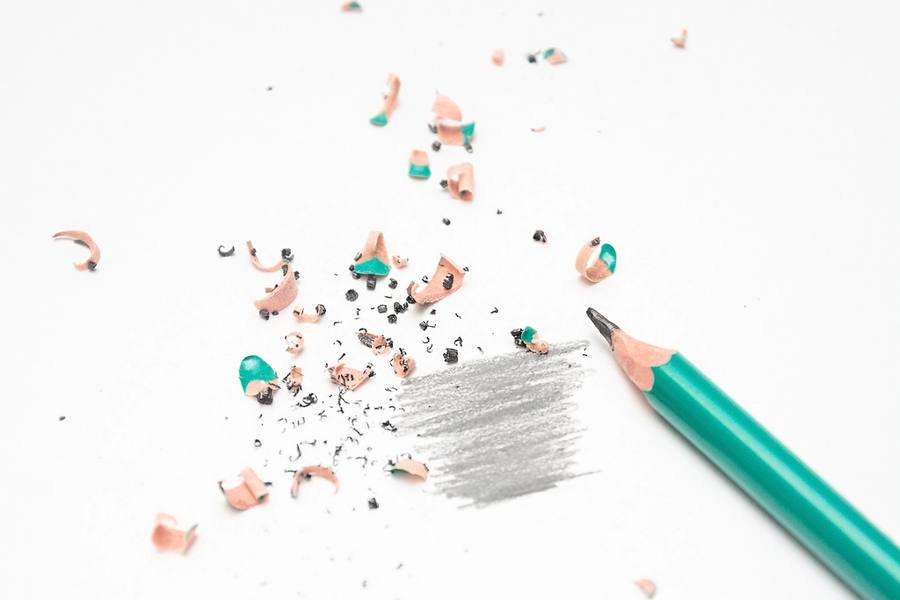
Temsili görsel (stok fotoğraf); ürünün kendisi değildir.
Honing Is Not Sharpening
These two words are used interchangeably and they describe different things, which causes a great deal of confusion. Sharpening removes metal to create a new edge. Honing realigns an existing edge that has rolled over microscopically through use.
Most of the time a knife feels dull, the edge has not worn away — it has bent. Straightening it takes seconds and restores most of the sharpness, which is why professional cooks touch a rod several times a shift and sharpen properly only occasionally.
Understanding the distinction is what stops people sharpening knives far more often than necessary, which removes metal and shortens the life of a blade unnecessarily.
Why Ceramic Rather Than Grooved Steel
The traditional grooved steel rod that comes with knife blocks is more aggressive than most people realise. The grooves catch and remove metal, and on harder steels they can chip the edge rather than realigning it.
A fine ceramic rod is smooth and harder than steel, so it straightens the edge with minimal metal removal and works on hard Japanese blades that a grooved steel would damage.
It also gives a light polishing action, which leaves the edge smoother. For a household with a mix of German and Japanese knives, a fine ceramic rod is the one tool that is appropriate for all of them.
Using It Properly
Angle consistency matters more than speed or pressure. A light touch at roughly the knife's edge angle, a few passes per side, is all that is needed — and dragging hard achieves nothing except uneven wear.
It should be done frequently rather than occasionally: before or after each significant use is reasonable, and a knife honed regularly rarely feels dull between sharpenings.
Ceramic rods are brittle and will break if dropped on a hard floor, which is the main way they fail. Storing it somewhere it cannot fall is worth a moment's thought.
Against The Alternatives
Against a grooved steel rod, ceramic removes less metal, is safe on hard steels and polishes rather than scratching.
Against a whetstone, honing takes seconds and does a different job; both are needed, at different intervals.
Against a pull-through sharpener used as a hone, the pull-through removes far more metal than honing should and damages good knives over time.
Who Should Not Buy It
Anyone who does not yet have a sharpening method needs a stone first, since honing cannot restore an edge that has genuinely worn away.
Anyone with only serrated knives has nothing to hone; serrated edges are sharpened differently and rarely.
Anyone likely to knock it off a worktop should consider that ceramic is brittle and a dropped rod is a broken rod.
The Verdict
The right honing tool for a mixed knife drawer: fine ceramic realigns an edge in seconds with minimal metal loss, and it is safe on hard Japanese steels that grooved rods damage.
It is brittle, it cannot rescue a genuinely dull knife, and it needs using frequently rather than occasionally.
Hone often and sharpen rarely — that order is what keeps knives cutting well and lasting decades.
Bir bakışta
Artılar
- Realigns an edge in seconds with minimal metal removal
- Safe on hard Japanese steels that grooved rods can chip
- Light polishing action leaves a smoother edge
- One tool appropriate for German and Japanese knives alike
Eksiler
- Brittle; breaks if dropped on a hard floor
- Cannot restore an edge that has genuinely worn away
- Needs frequent use to be effective
- No use on serrated knives
Sıkça sorulan sorular
What is the difference between honing and sharpening?
Sharpening removes metal to create a new edge; honing straightens an existing edge that has rolled over microscopically. Most knives that feel dull just need honing, which takes seconds — understanding this stops people sharpening far more often than necessary.
Why not use the steel rod from my knife block?
Grooved steels are more aggressive than people realise — they remove metal and can chip hard Japanese edges. Fine ceramic straightens with minimal removal and is safe across a mixed knife drawer, which a grooved steel is not.
How often should I hone?
Frequently — before or after each significant prep session is reasonable. A knife honed regularly rarely feels dull, which means proper sharpening on a stone is needed only every few months rather than constantly.
Teknik Özellikler
| Type | Fine ceramic honing rod |
| Function | Realigns, does not sharpen |
| Metal removal | Minimal |
| Safe on hard steels | Yes |
| Technique | Light pressure at the edge angle |
| Frequency | Before or after each significant use |
| Serrated knives | Not applicable |
| Fragility | Brittle; store carefully |
Özet
Realigns an edge in seconds without eating metal, and safe on hard Japanese steels. Hone often, sharpen rarely — that order keeps knives good for decades.
Amazon'da Fiyatı Kontrol Et