Silpat Silicone Baking Mat
Image illustrative (photo de stock) ; ce n'est pas le produit exact.
Reusable Rather Than Disposable
Baking parchment works well and is thrown away after each use, which over years is both a cost and a steady stream of waste. A silicone mat does the same job and is washed and reused for years.
The Silpat is silicone reinforced with glass fibre mesh, which is what stops it stretching, curling and degrading the way unreinforced silicone mats do. That reinforcement is the main difference between mats that last and mats that do not.
It releases reliably — biscuits, meringues, macarons and anything sticky lift cleanly with no greasing — and it distributes heat slightly, which reduces the risk of biscuit bottoms browning too hard.
Where It Excels
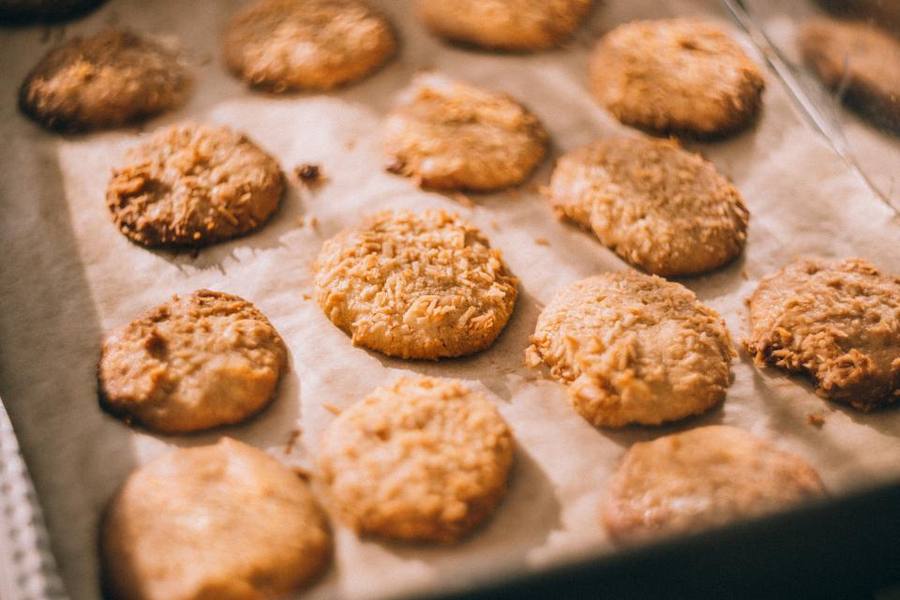
Delicate baking is where it earns its place. Macarons, tuiles, meringues and thin biscuits all release without damage, where parchment sometimes sticks and greased tins definitely do.
It also produces consistent results across batches because the surface never changes, whereas a greased tin varies with how much grease was applied.
It sits flat and does not slide or curl at the edges the way a sheet of parchment does when a fan oven is running, which is a small practical annoyance it removes entirely.
Where It Is The Wrong Choice
It insulates. That is helpful for protecting biscuit bases and actively unhelpful for roasting, where you want direct contact with a hot metal surface to brown and crisp the underside of vegetables or potatoes.
Roast potatoes on a silicone mat come out noticeably less crisp underneath than on bare metal, and this is the most common disappointment with mats — they are baking mats rather than roasting mats.
It also has a temperature limit lower than bare metal bakeware, so very high-heat roasting is out, and it should not be cut, used with a knife on, or placed under a grill.
Against The Alternatives
Against parchment, the mat is reusable and better for delicate baking; parchment is disposable, can be used at higher temperatures and can be cut to fit tins.
Against a greased tin, the mat is more consistent and does not add fat to the bake.
Against bare metal for roasting, bare metal browns and crisps far better and the mat should not be used for that job.
Who Should Not Buy It
Anyone whose main use is roasting vegetables and potatoes should use bare metal, since the mat insulates and reduces crisping.
Anyone baking at very high temperatures should check the limit against their recipes.
Anyone who needs to line tins of unusual shapes should use parchment, since the mat cannot be cut without ruining the reinforcement.
The Verdict
An excellent reusable baking surface for biscuits, meringues and anything delicate, which pays for itself against parchment and gives more consistent results.
It insulates and is genuinely the wrong surface for roasting, and it has a lower temperature limit than bare metal.
Own both — the mat for baking and a bare sheet for roasting. They are not substitutes for each other.
Cleaning is worth a brief note because silicone attracts grease in a way that is easy to underestimate. A mat washed with insufficient detergent develops a faintly tacky film that then picks up dust in a drawer, and once established it takes hot water and a degreasing detergent to shift. Washing it properly each time rather than rinsing keeps it pleasant for years.
En un coup d'œil
Avantages
- Reusable for years, replacing disposable parchment
- Releases delicate bakes reliably with no greasing
- Glass-fibre reinforcement stops stretching and curling
- Sits flat rather than lifting in a fan oven
Inconvénients
- Insulates, so it reduces crisping when roasting
- Lower temperature limit than bare metal
- Cannot be cut to fit unusual tins
- Not suitable under a grill
Questions fréquemment posées
Can I roast vegetables on it?
You can, and they will be less crisp underneath than on bare metal. The mat insulates, which protects biscuit bases and works directly against the browning that roasting depends on. Use bare metal for roasting and keep the mat for baking.
Is it better than parchment?
For delicate baking, yes — release is more reliable and results are more consistent. Parchment tolerates higher temperatures and can be cut to line unusual tins. Most kitchens keep both and use each for what it is good at.
How long does it last?
Years of regular use if it is not cut, not used under a grill and not exceeded on temperature. The glass-fibre reinforcement is what gives it that life — unreinforced mats stretch and degrade comparatively quickly.
Spécifications
| Material | Silicone with glass-fibre reinforcement |
| Reusable | Yes, for years |
| Release | Excellent, no greasing needed |
| Insulation | Yes — reduces base browning |
| Best for | Biscuits, meringues, macarons |
| Unsuitable for | Roasting, grilling |
| Temperature limit | Lower than bare metal |
| Cutting | Do not cut |
Résumé
A reusable surface that releases delicate bakes perfectly and pays for itself against parchment. It insulates, so keep a bare sheet for roasting.
Vérifier le prix sur Amazon